On SeLoger, a private landlord or seller can receive dozens of messages within a few hours. Most of them look alike: a polite greeting, a vague introduction and no concrete details. The owner quickly sorts through them, replies to few, and prioritizes applicants who make the decision easier from the very first read. Getting a quick response depends less on following up than on the quality of your first message.
First message on SeLoger: show you’re credible without sharing sensitive information
A private landlord’s main concern is assessing whether an applicant is serious. It can be tempting to send a complete application file right away to stand out. That’s a mistake for two reasons.
First, the decree of November 5, 2015, sets out the list of supporting documents a landlord may request from an applicant and their guarantor. Bank statements, a French health insurance card (Carte Vitale) and a detailed tax notice are not among the documents that can be required at the initial contact stage. A landlord who asks for them before even arranging a viewing is a reason to be cautious, not a sign of professionalism.
Second, France’s data protection authority, the CNIL, recommends limiting the information shared before a viewing to what is needed to arrange contact: your identity, contact details, search criteria and general circumstances. When you’re looking to contact a private owner on SeLoger via Actu Immobilier, this step-by-step approach is still the safest option.
An effective message includes three specific details without exposing personal documents:
- A one-sentence summary of your employment situation (contract type, length of service, industry), without attaching a payslip
- Your preferred move-in date and specific availability for a viewing (time slots and days of the week)
- A sentence showing you’ve read the listing: its size, floor, neighborhood or a detail mentioned by the owner
This last point makes all the difference. A message that refers to a specific detail in the listing shows that it isn’t a copy-and-paste sent to fifty different owners.
Choose the contact method specified in the listing
Not all SeLoger listings offer the same ways to get in touch. Some display a phone number, while others limit communication to the built-in messaging system. Using the contact method chosen by the owner increases your chances of getting a reply because it respects their preferred way of screening applicants.
If the listing says “first contact by message,” calling directly is more likely to annoy the owner than help. Conversely, if a phone number is displayed, a brief, well-prepared call can speed things up compared with yet another message buried in the inbox.
SeLoger messaging: structure your message so it’s quick to read
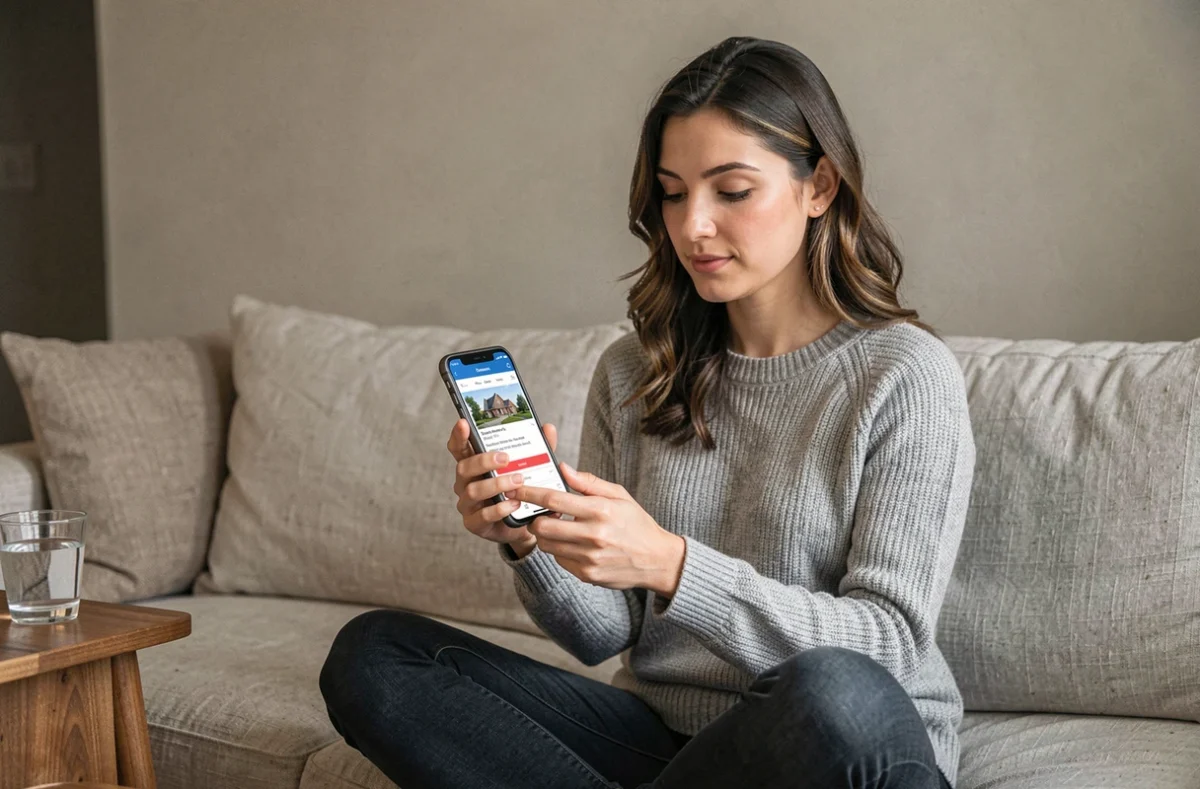
Owners often read messages on the mobile app, on a small screen. A wall of text spanning fifteen lines will be skimmed or ignored. Aim for a four-to-six-line message, structured in three parts: who you are, why this particular property interests you, and when you can view it.
Skip phrases like “I’m contacting you about your listing on SeLoger.” The owner already knows where the message came from. Get straight to the point.
Phone call: prepare what you want to say before you dial
If the listing displays a phone number, call in the early evening (between 6 and 8 p.m.) or on Saturday morning. Have the listing reference, your availability and a summary of your situation in front of you. A focused two-minute call is better than a generic message.
Response times and follow-ups on a property listing
On property listing platforms, non-response rates are inherently high. A private owner handling the sale or rental of their apartment alone has neither a CRM nor a follow-up process. They reply when they can, often to the first messages they receive and to those that seem the most complete.
If you haven’t heard back after 48 hours, a brief follow-up is reasonable. Reply to your original message without rewriting the whole thing. One sentence is enough: remind them of your name and when you first messaged, and confirm that you’re still interested. If you’ve followed up twice without hearing back, move on to another listing.
Several reasons may explain a prolonged silence:
- The property is already under negotiation or the contract is being signed, but the listing remains online until the transaction is confirmed
- The owner has received more inquiries than they can handle alone and is focusing on applicants who are the best fit
- Your initial message lacked specific details and was grouped with generic inquiries

Prepare your rental application in advance so you can respond quickly after the first exchange
Your real competitive advantage doesn’t come from the initial message, but from how quickly you act afterward. If the owner responds positively and asks for an application file, being able to send it within the hour can make all the difference.
DossierFacile, a free service run by the French government, helps you put together an application file that complies with the decree of November 5, 2015. Your documents are checked, watermarked and ready to share via a secure link. The owner receives a clear, complete application file without you having to send attachments by email.
Preparing in advance changes the pace of your property search. Instead of finding a listing and then rushing to put together an application file, reverse the order: get your file ready first, so every inquiry can quickly lead to a viewing and then a formal application.
One often-overlooked detail: make sure your SeLoger profile (first name, last name, email address and phone number) is complete and up to date. If an owner clicks on your profile and finds an account that’s only half filled out, they may hesitate to get back to you, even if your message was convincing.